
Self Storage Hallway Systems: Design, Features, and Benefits for Modern Storage Facilities
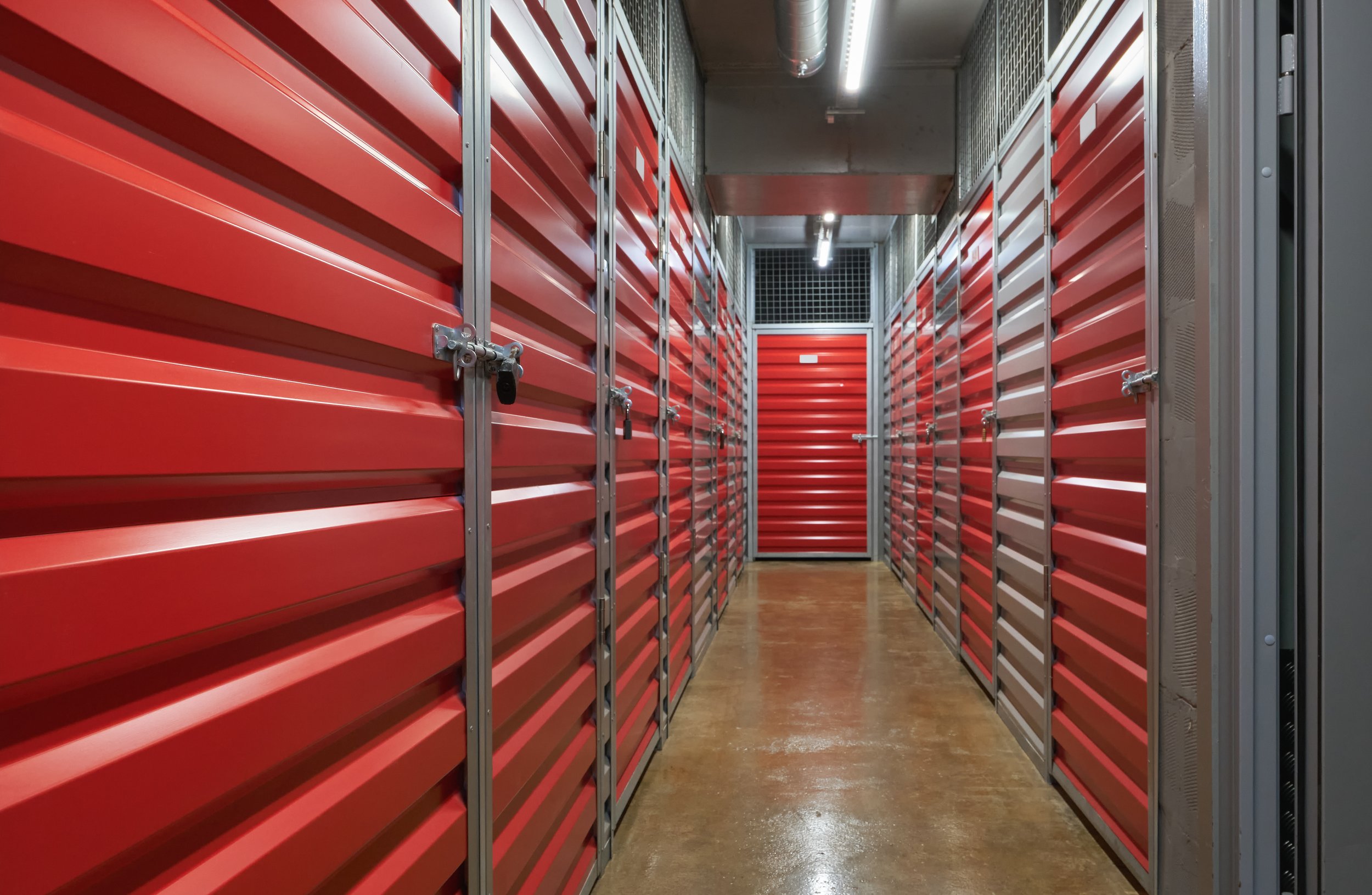
If you’ve ever walked through a modern climate-controlled self storage facility, you’ve experienced the result of carefully engineered hallway systems. Those clean, bright interior corridors with uniform doors and protective wall finishes don’t happen by accident. They’re the product of purpose-built components designed specifically for the self storage industry.
Understanding how these systems work—and how to specify them correctly—can mean the difference between a facility that maximizes revenue and one that leaves money on the table.
In this guide, you’ll learn exactly what goes into a self storage hallway system, how to choose between different panel styles, and what design considerations will help you create a facility that tenants love and that generates lasting value for years to come.
What Are Self Storage Hallway Systems?
Self storage hallway systems are the interior corridor, wall, and door assemblies that transform open building space into individual rentable storage units. These pre-engineered packages create the defined walkways and unit partitions that make up the interior of any modern self storage facility.
For a detailed overview of starting and managing such a system, refer to this comprehensive guide on how to start a self-storage business.
A typical system consists of:
Corridor walls: Usually constructed from 26-gauge steel panels with galvanized or galvalume coatings for durability and corrosion resistance
Headers: Horizontal components installed above self storage doors that complete the visual line and provide structural continuity
Roll up doors: The most common entry point for units, featuring steel curtains with tensioner systems for smooth door operation
Kick plates: Protective panels at floor level, typically 12-18 inches tall, made from heavy-gauge steel or aluminum diamond plate
Corner guards: Protective trim pieces at hallway intersections to prevent damage from carts and foot traffic
Accessories: Number plates, lighting fixtures, signage brackets, and security enhancements like wire mesh or burglar bars
Designers often include wire mesh or steel bars across the top of units to provide security while allowing for airflow and overhead lighting.
These hallway systems appear in three primary applications: new construction ground-up builds, climate-controlled multi-story facilities, and conversion projects where existing buildings like warehouses or retail spaces get transformed into storage facilities. Companies like Trachte Building Systems offer comprehensive solutions for both new builds and conversions, providing adaptable, weatherproof, and security-enhanced hallway systems.
The key advantage of purpose-built hallway systems is that every component is engineered to work together, reducing installation time and ensuring consistent performance across your entire facility.

Pre-Engineered Hallway & Partition Systems
Pre-engineered partition systems arrive at your job site as modular wall and hallway packages, cut to length and ready for installation based on an engineered layout specific to your building. This approach eliminates the guesswork and field modifications that slow down traditional construction.
Here’s what makes these systems efficient:
Mid span horizontal bracing: Typically installed every 6-8 feet on center, this bracing maintains panel rigidity over long corridor runs without requiring load-bearing walls
Hem-and-channel construction: Panel edges are folded and finished to eliminate sharp edges, protecting both tenants moving furniture and installers during setup
Direct partition integration: Hallway walls tie directly into unit-separating partitions, forming complete enclosures from floor to deck or ceiling heights between 8 and 10 feet
Pre-finished surfaces: Bright wall panels in glossy white or light gray maximize corridor brightness and reflect LED lighting efficiently
Standardized components: Most systems work on 10-foot grids, allowing predictable material quantities and simplified ordering
The practical benefits for facility owners are significant. Pre-engineered systems reduce design time because manufacturers work from architectural drawings or CAD files to produce exactly what you need. Field cutting drops to near zero, which cuts labor costs and installation waste. Many facilities complete interior hallway installation in days rather than weeks.
For a conversion project especially, this speed matters. You can begin generating rental income from completed sections while finishing other areas of the building.
Flush vs. Corrugated Hallway Wall and Header Systems
When specifying hallway walls, you’ll choose between two primary panel styles: flush (flat) panels and corrugated (ribbed or flush walls in industry terminology).
Flush Wall Systems
Flush panels create a smooth, continuous surface without visible ribs or texture. This modern aesthetic works particularly well in:
Urban climate-controlled facilities targeting premium renters
Facilities with sophisticated branding and design themes
Buildings where a clean, contemporary look supports higher rental rates
The header system above doors matches the flat panel profile, creating an unbroken visual line down the corridor. Most fasteners stay concealed within interlocking panel seams, which enhances appearance and reduces visible hardware.
Corrugated Wall Systems
Corrugated panels feature visible ribs that add texture and an industrial character. These systems often appear in:
Large regional facilities where function takes priority over aesthetics
Warehouse conversions where the ribbed look complements existing building elements
Projects with tighter budgets that benefit from corrugated panels’ typically lower material costs
The tradeoff is straightforward: corrugated systems cost less but look more utilitarian. For secondary hallways or back-of-house corridors, this can be a smart budget allocation.
Mixing Panel Styles
Many operators mix flush walls in main corridors with corrugated walls in secondary hallways. This approach puts your best visual foot forward where tenants spend the most time while controlling costs in less-trafficked areas.
Panel Type
Best Application
Relative Cost
Aesthetic
Flush
Main corridors, premium facilities
Higher
Modern, clean
Corrugated
Secondary corridors, budget-conscious projects
Lower
Industrial, textured
Mixed
Balanced approach for most facilities
Medium
Varies by zone
Both panel types can be installed vertically or horizontally depending on your design preferences and structural requirements.
Key Features of Modern Hallway Systems
Beyond the basic walls and doors, modern hallway systems include tangible features that protect your investment, enhance security, and improve the tenant experience. Self-storage hallway systems also create a more organized and professional appearance for facilities, enhancing the customer experience.
Protection Components
Diamond plate trims and bright wall panels are not only functional but also contribute to an enhanced appearance, improving both visual appeal and durability. These features help protect high-traffic areas from damage while giving your facility a polished, professional look.
Protection Components
Kick plates: Installed along the bottom 12-18 inches of corridor walls, these heavy-gauge steel or aluminum diamond plate panels protect against damage from moving carts, dollies, and foot traffic. Diamond plate options add both durability and a premium look.
Corner guards: Positioned at hallway intersections, these aluminum diamond plate trims can extend up to 10 feet tall to prevent denting and paint damage where hall traffic naturally bunches up.
Diamond plate trims: Additional protective strips can be added anywhere high-traffic patterns emerge over time.
Structural Features
Mid span horizontal bracing: Concealed or visible channels resist wall deflection in corridors longer than 20-30 feet, maintaining straight, professional-looking walls without sagging.
Galvanized structural supports: Heavy-gauge galvanized bars and channels provide the underlying framework that holds everything together for long lasting performance.
Door Features
Vinyl weather seal: Bottom bars on roll up doors feature replaceable vinyl seals that block dust, pests, and moisture from entering units.
Double padlock compatibility: Hasps designed for two locks allow both tenant and facility management to secure units during overlocking situations.
Limited pry points: Modern door designs minimize gaps and access points that could allow forced entry.
ADA-compliant hardware: Looped pull ropes or lever handles meet accessibility requirements for tenants with limited hand strength or mobility.
Security Enhancements
Wire mesh panels: Installed horizontally or vertically above partitions to the deck, mesh allows airflow and light while preventing anyone from climbing over walls into adjacent units.
Burglar bars: Galvanized bars installed over transom spaces provide added security without completely blocking ventilation. Burglar bars bright white finishes blend with wall panels.
Reinforced frames: Double roll-up frames and heavy-gauge jambs resist tampering attempts.

Design Considerations for Hallway Layouts
Layout planning directly influences rentable square footage, traffic flow, and ultimately tenant satisfaction. Getting this right from the start prevents costly modifications later.
Corridor Widths
Standard corridors: Minimum 5 feet wide, though local building codes may require more
Main corridors: 6-8 feet wide to accommodate two-way cart traffic and easier navigation
Loading areas: Wider still near elevators and entrances where traffic concentrates
Unit Placement Strategy
Smart unit mix planning positions different sizes strategically:
Place larger 10x15 and 10x20 units closer to main entrances, elevators, and loading areas to minimize cart travel distance for tenants moving heavy items
Position smaller 5x5 and 5x10 storage units in interior locations where their higher per-square-foot rental rates justify the less convenient access
Consider stacking lockers (3-4 feet high) above standard units to attract students and urban renters with smaller storage needs and tighter budgets
Traffic Flow Optimization
Minimize hallway turns and dead ends to improve navigation
Create clear sightlines down main corridors for both security and wayfinding
Reduce the need for extra directional signage through intuitive layout design
Plan emergency egress routes that meet local fire and building codes
Lighting and Ceiling Considerations
LED troffer lights mounted in a soffit ceiling or optional flush ceilings provide even illumination that enhances security and tenant confidence. Most facilities target lighting levels that eliminate shadows and dark corners.
A well-lit corridor isn’t just about aesthetics—it’s a security feature that makes tenants feel safe accessing their units at any hour.
Many successful facilities use 10-foot grid planning systems, which align with standard panel and door dimensions while simplifying installation and future modifications. This approach works particularly well in multi-story climate-controlled projects where consistency across floors improves construction efficiency.
Doors and Corridor Systems
The doors represent both the most visible element of your hallway system and the component tenants interact with most frequently. Getting door and hallway systems right means balancing durability, security, and ease of use.
Door Types
Roll up doors remain the standard for most storage units. Modern designs feature:
Third-generation dead axle construction with factory-lubricated springs
Die cast spring tensioner systems for precise adjustment of door tension
Spiral drum mechanisms that provide smooth, consistent door operation
Enclosed spring barrels that isolate springs from dust and debris, eliminating annual manual lubrication in most environments
Felt tape located at key contact points to reduce noise during operation
Swing doors appear less frequently but serve specific applications:
Smaller interior units and lockers where roll-up mechanisms aren’t practical
Premium units where swing doors convey a higher-end feel
Situations where ceiling height restricts roll-up door operation
Door and Corridor Integration
Modern door hallway systems pair roll up doors with matching components for a unified look:
Flush or ribbed jambs that match adjacent wall panels
Customizable headers at consistent heights across all unit sizes
Matching trim pieces that create visual continuity
Liner panel options for finished interior appearances
Color and Branding
Door colors offer a branding opportunity. Many facilities use:
White corridors with accent-colored doors (blue, red, or gray) for wayfinding
Color-coding by floor or section to help tenants navigate
Branded colors that reinforce facility identity
Performance Specifications
When evaluating doors, consider:
Tensioner system rugged enough for daily use over decades
Wind load ratings for exterior corridor openings
Increased life expectancy from quality materials and construction
Warranty terms on springs, curtains, and hardware
Superior performance comes from high quality materials and engineering that accounts for the unique demands of storage door applications—thousands of cycles over the life of the facility with minimal maintenance requirements.
Code Compliance, Safety & Accessibility
Door and hallway systems must meet applicable IBC (International Building Code) requirements and local building codes, along with fire marshal specifications for corridor width and fire-rated assemblies.
Building Code Requirements
Corridor widths: Minimum dimensions vary by occupancy classification and local amendments
Fire separation: Multi-story facilities often require fire-rated walls and doors between floors
Smoke detection: Climate-controlled corridors typically need smoke detectors connected to building alarm systems
Emergency lighting: Battery-backed fixtures must illuminate egress paths during power failures
Sprinkler systems: Many jurisdictions require sprinklers in climate-controlled facilities
ADA Accessibility
The self storage industry must comply with accessibility requirements:
Minimum clear widths at unit doors for wheelchair access
Maneuvering clearances that allow door operation from a seated position
Accessible door pulls (looped ropes or lever handles) that don’t require tight grasping
Compliant slopes in corridors and at transitions to maintain accessibility
A percentage of units must be accessible: typically 5% of the first 200 units and 2% thereafter
Regional Considerations
Certain jurisdictions impose additional requirements:
Coastal states (particularly after 2017 code updates) may require documented wind-load ratings for doors and exterior corridor openings
Seismic zones may have specific bracing and anchoring requirements
High-humidity regions benefit from galvalume finishes that resist corrosion
Safety Features
Beyond code minimums, smart operators incorporate:
Anti-trip transitions at door thresholds with smooth profiles
Flush kick plates without protruding edges that could catch feet or wheels
Rounded corner guards that protect against both impact damage and injury
Adequate lighting throughout all corridors to block access to hidden areas
Always consult with local code officials early in your project. Requirements vary significantly by jurisdiction, and early coordination prevents costly redesigns.
Benefits of Adding Hallway Systems to Existing Buildings
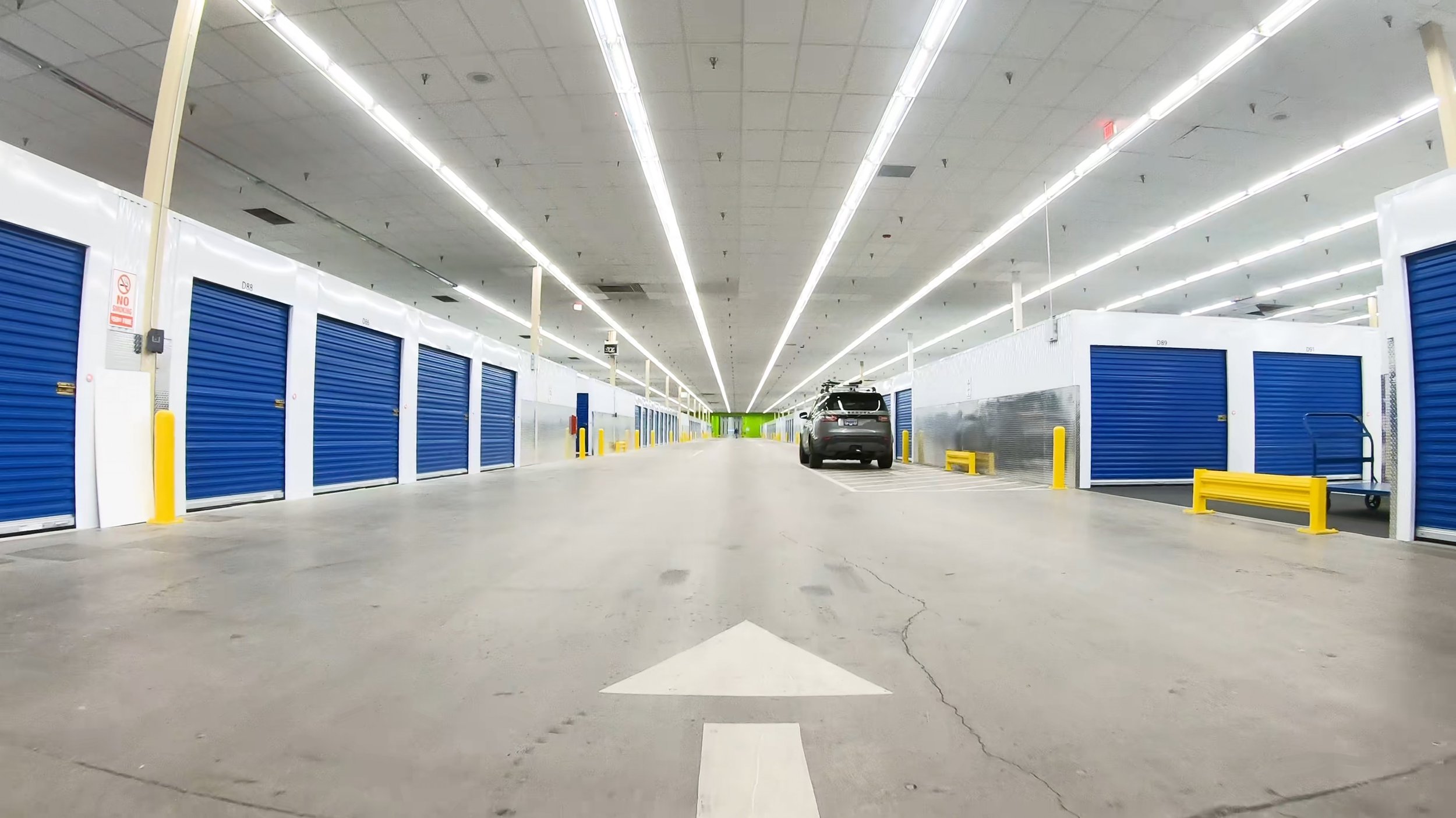
Retrofit hallway systems open opportunities to convert existing buildings—big-box retail spaces, factories, office buildings, and warehouses—into income-producing self storage facilities. This adaptive reuse approach has become increasingly popular as land for new construction grows scarce in urban areas.
Conversion Advantages
Faster time to revenue: Pre-engineered door and hallway systems install over existing concrete floors and tie into existing structural steel or deck without extensive building modifications
Climate-controlled premiums: Adding interior hallways creates climate-controlled or humidity-controlled space that commands higher rental rates than standard drive-up units
Flexible unit mix: Customized layouts let you optimize unit sizes for your market—high counts of 5x10 and 10x10 units often maximize net rentable square footage in irregular building footprints
Phased installation: You can complete installations by floor or wing, opening completed sections while finishing others to match demand and cash flow
Practical Conversion Examples
A typical conversion might transform a 60,000-80,000 square foot 1980s retail store into a multi-level facility. The process involves:
Assessing existing building conditions (floor loads, ceiling heights, column spacing)
Engineering a hallway layout that works around structural elements
Installing hallway walls, partitions, and doors in phases
Adding climate control, lighting, and security systems
Opening sections as they complete to begin generating income
Financial Impact
Converting existing buildings often costs less than ground-up new construction while providing:
Established locations with existing traffic patterns and visibility
Faster permitting in many jurisdictions compared to new builds
Opportunities to maintain some existing building systems (HVAC, electrical distribution)
Immediate rental income from completed phases
Ben Vestal of Argus Self Storage Advisors has noted that pre-engineered hallway systems excel in retrofit applications, providing clean, efficient division of large open spaces that might otherwise sit vacant.
Customization Options and Accessories
Tailoring hallway systems to your brand identity, security needs, and unique building layout helps differentiate your storage facility from competitors while addressing your specific needs.
Panel and Door Customization
Component customization options include a variety of choices to tailor your hallway system to your facility's needs. Wall panels are available in multiple colors such as white, gray, and tan, and can be selected in either flush or corrugated profiles to match your desired aesthetic. Doors come in multiple colors and a range of widths from 3 to 8 feet, along with different height options to accommodate various unit sizes. Headers can be customized with matching or contrasting colors and are available in variable heights to fit your design specifications. Jambs offer options between single or double roll-up frames and can be chosen in flush or ribbed styles to complement the hallway walls. Finishes for all components include glossy, matte, or textured surfaces, allowing you to achieve the perfect look and feel for your self storage facility.
Accessories for Functionality
Unit numbering: Standardized number plates or custom signage
Directional signage: Floor maps, arrow indicators, section identifiers
CCTV mounting plates: Pre-positioned brackets for security camera installation
Motion-activated LED lighting: Energy-efficient fixtures that illuminate as tenants approach
Security Upgrades
For facilities storing higher-value goods or located in areas requiring added security:
Wire mesh or burglar bars above doors to prevent over-wall intrusion
Reinforced door frames with additional gauge thickness
Higher-gauge kick plates (20-gauge or heavier) in high-traffic areas
Screw-guard channels with 20-year warranties against tampering
Custom Engineering
Many manufacturers work directly from architectural drawings or CAD files to supply custom-fit panels and doors. This approach:
Reduces on-site cutting and waste
Ensures components fit irregular building geometries
Speeds installation through precise prefabrication
Maintains consistent quality across customized elements
Whether you’re matching specific brand colors or engineering panels to fit around existing structural columns, customization ensures your hallway system works for your unique facility rather than forcing compromises.
Frequently Asked Questions About Self Storage Hallway Systems
-
Hallway systems convert open building bays into defined corridors and individual units, creating organized space that tenants will pay for. In multi-story facilities, well-designed interior corridors can create 20-30% more units per floor compared to less efficient layouts. The key is balancing corridor width against unit count—every square foot dedicated to hallways is space that can’t be rented, but inadequate corridors frustrate tenants and create safety issues.
-
Standard corridors start at 5 feet wide, though main arteries often run 6-8 feet to accommodate two-way cart traffic. Ceiling heights for interior units typically range from 8 to 10 feet, with taller ceilings allowing for stacked locker units above standard storage spaces. Always verify requirements with local building codes, as some jurisdictions mandate specific dimensions based on occupancy classification.
-
Common door sizes include 3x7 feet for smaller units and lockers, 4x7 feet for standard units, and 8x7 feet for larger spaces. The unit mix you choose depends on your market—urban facilities often skew toward smaller units while suburban locations may need more large units for furniture and vehicle storage.
-
Constructed from durable galvanized steel with factory-applied finishes, modern hallway panels need minimal maintenance. Plan on inspecting kick plates and corner guards annually for damage, checking door springs and vinyl seals periodically, and cleaning painted surfaces as needed. The functionality of well-installed systems holds up for decades with basic attention.
-
Typical lead times run 6-10 weeks depending on project size, color selections, and customization requirements. Early design coordination with manufacturers reduces delays—providing accurate building dimensions and confirming unit layouts before ordering prevents change orders that push schedules back. Reputable suppliers assist with layout optimization using 10-foot grid planning to maximize efficiency while staying code compliant.
-
Systems with moveable partitions allow unit sizing changes over time as market demand shifts. Fixed partitions offer greater durability but less flexibility. If you anticipate needing to adjust your unit mix, discuss moveable partition options during initial planning.
Key Takeaways
Self storage hallway systems create the interior corridors, walls, and door assemblies that transform open building space into rentable units
Pre-engineered components reduce installation time and construction waste compared to traditional framing methods
Flush panels suit premium facilities while corrugated options offer budget-friendly durability for secondary corridors
Protective features like kick plates, corner guards, and mid-span bracing ensure long-term performance
Thoughtful layout planning maximizes rentable square footage while maintaining code compliance and tenant satisfaction
Modern doors feature enclosed springs and die-cast tensioner systems that reduce maintenance requirements
Retrofit applications can convert existing buildings into profitable self storage facilities through phased installation
Moving Forward with Your Hallway System
Whether you’re planning new construction or a conversion project, the hallway system you choose sets the foundation for your facility’s long-term success. The right combination of wall panels, doors, protective accessories, and layout design creates a space where tenants feel secure and operations run smoothly.
Start by evaluating your building footprint and target unit mix. Consider your market positioning—will you compete on price with functional corrugated walls, or target premium tenants with flush panels and enhanced security features? Factor in code requirements early, and work with manufacturers who can engineer solutions customized to your specific needs.
The self storage industry continues growing, and facilities with well-designed hallway systems consistently outperform those with outdated or poorly planned interiors. Your investment in quality systems today translates directly to rental income and tenant retention for decades to come.