
Self Storage Construction Timeline: How Long a Multi-Story Project Really Takes
Building a modern multi-story self storage facility is a significant investment that typically spans 14 to 24 months from initial planning to grand opening. If you’re evaluating a self storage development project with 70,000 to 120,000+ rentable square feet across multiple floors, understanding the realistic construction timeline is essential for making informed decisions about your investment.
The timeline for your self storage project will vary based on several critical factors. Permitting alone can add anywhere from 3 to 9 months depending on your jurisdiction. Site conditions, building design complexity, and supply chain issues also play major roles. Storage Building Company brings self-storage-specific experience and multi-story expertise to tighten schedules and avoid the delays that catch many developers off guard. For a typical 3-story climate-controlled storage facility, expect a total duration of 18 to 22 months when all phases are properly managed.

Introduction to Self Storage Development
Self storage development is a multifaceted process that requires strategic planning and a clear understanding of the market. Whether you’re building a new self storage facility from the ground up or expanding an existing storage project, success starts with thorough initial planning. This includes evaluating potential sites, analyzing market demand, and estimating construction costs to ensure your storage facility will meet the needs of your target customers and deliver a strong return on investment.
Selecting the right location is one of the most critical decisions in self storage development. The site selection process involves assessing traffic patterns, local competition, and demographic trends to identify areas with high demand for storage. A well-chosen site can significantly impact the long-term performance of your storage facility.
Throughout the development process, storage investors must also consider factors such as building design, unit mix, and compliance with local building codes. Each phase of the self storage construction timeline—from feasibility studies to site preparation and vertical construction—requires careful coordination and attention to detail. By understanding the steps involved in building a self storage facility, you can make informed decisions that keep your project on schedule and within budget, ultimately leading to a successful storage business.
Phase 1: Concept, Site Selection & Feasibility (1–4 Months)
Decisions made during the initial planning stage can easily save or cost you 6+ months down the road. This is where smart decisions about location and market demand set the foundation for everything that follows.
The typical duration for this phase breaks down as follows:
Initial site search: 4–6 weeks to identify potential locations in your target trade area
Formal feasibility study and underwriting: 4–12 weeks, depending on data access and lender requirements
Total phase duration: Site selection and feasibility typically takes one to three months, depending on your level of preparation.
Key tasks during site selection and feasibility include:
Identifying a trade area within a 3–5 mile radius of the right location
Conducting a market feasibility study to target the demographics of the client base within a one- to five-mile radius of the facility
Analyzing traffic counts and access patterns
Mapping existing competition and their occupancy rates
Evaluating population growth projections
Conducting rental rate surveys for market research
Performing due diligence on zoning and land costs; the more thorough your due diligence is during site selection, the smoother the rest of your development journey will be
Conducting a thorough feasibility study for zoning and market demand to avoid late-stage regulatory roadblocks
Always ensure the land is properly zoned for self-storage or that a rezoning request is likely to succeed before you progress into design
The feasibility study should include an overview of the self-storage industry, long-range projections for rental rates, income, expenses, and property value
Evaluating zoning, traffic access, land price, and market demand is essential during the site selection phase
For a 90,000 square feet three-story self storage project near a major interstate, feasibility typically runs 6–8 weeks. This includes test fits, pro forma modeling, and preliminary conversations with lenders.
Storage Building Company can review early test-fit layouts for constructability issues before you lock in a site. This prevents storage investors from committing to land that will prove expensive or complicated to build on—saving both time and budget down the road.
Phase 2: Entitlements, Zoning & Permitting (3–9 Months)
This phase is often the longest and least predictable part of the self storage construction timeline. A straightforward approval in one jurisdiction might take 90 days, while a contentious rezoning in another could stretch beyond 9 months.
Entitlements involve confirming or obtaining the proper zoning for your storage facility. This may include rezoning applications, special use permits, and appearances before planning commissions or city councils. Expect these processes to take 60–180 days depending on local requirements and whether any opposition arises.
Typical submittals during entitlements include:
Conceptual site plan showing building footprint and parking
Traffic impact memo or study
Architectural elevations and building codes compliance
Stormwater management concept
Landscape plan meeting local requirements
Entitlement milestone timeline:
Initial pre-application meeting: 1–2 weeks after submittal request
Full application review period: 30–60 days
Planning commission hearing: typically 45–60 days after full submittal
City council approval (if required): 30–45 days after planning commission
Total entitlement process: 90–150 days in many suburban jurisdictions if no major opposition
Building permit review is a separate timeline item. Expect 30–120 days depending on city workload, completeness of your construction documents, and whether self storage is a familiar use in that municipality. Incomplete plans or building-plan review backlogs can double initial time estimates, so thorough preparation is critical.
Storage Building Company’s experience with multi-story layouts, fire ratings, and egress requirements reduces back-and-forth with plan reviewers. When a civil engineer and construction team understand what reviewers look for, permit delays shrink significantly.
Phase 3: Design & Pre-Construction Planning (2–5 Months)
When managed well, design overlaps with permitting to compress the overall construction timeline. This phase begins while entitlements are still in process, allowing construction to start faster once permits are issued.
The design sequence for a multi-story, climate-controlled self storage facility typically follows this schedule:
Schematic design: 3–6 weeks to establish overall building layout and massing
Design development: 4–8 weeks to refine systems, materials, and unit mix details
Construction documents: 6–10 weeks to complete drawings for permitting and bidding
Total design duration: 2–5 months (with significant overlap possible)
The design and planning phase typically takes two to four months, especially when collaborating with experienced teams and making early decisions to keep the project on schedule.
Key design items requiring close coordination include:
Unit mix strategy for each floor based on market demand
Structural system designed for multi-level loads
Elevator count, placement, and state compliance requirements
Fire separation between building sections
HVAC zoning for climate-controlled areas
Electrical systems layout and capacity planning
Coordination meetings between architect, structural engineer, MEP engineers, and Storage Building Company’s construction team should occur every 2–3 weeks. This consistent communication prevents costly redesigns later. Engaging all stakeholders early in the process ensures alignment of expectations and clarity of responsibilities.
Pre-construction planning also includes:
Detailed cost estimating and value engineering
Identifying long-lead materials (structural steel, elevators, roll-up doors)
Developing preliminary project schedule with critical path items
Finalizing utility connections and site logistics plans
The typical deliverable is a locked GMP (Guaranteed Maximum Price) or final construction budget 30–45 days before permit issuance. This allows procurement to begin immediately once the building permit is in hand, keeping things moving forward without delays.
Phase 4: Sitework & Foundations (1–3 Months)
This phase begins immediately after permits are issued and is highly weather-sensitive. Heavy rain, frost, or extreme heat can all impact the schedule, making proper scheduling and contingency planning essential.

Typical duration ranges:
Standard 3–5 acre site with clean conditions: 4–6 weeks for clearing, grading, and foundations
Complex sites with rock, poor soils, or extensive fill: 10–12 weeks
Total phase duration: 1–3 months
Key site work and foundation tasks include:
Erosion and sediment control installation
Mass grading and earthwork (cut/fill balancing)
Underground utility installation (water, sewer, electric, gas)
Building pad preparation and compaction
Foundation work: footings, piers, grade beams, slab prep
Site prep for future paving and drainage structures
Weather conditions significantly impact this phase. In regions with winter freeze (Midwest, Northeast), foundation work may need to be sequenced around frost dates, adding 2–3 weeks of contingency. In areas prone to heavy rain, site prep can stall for days or weeks if soil becomes saturated.
Storage Building Company emphasizes early geotechnical reports to avoid last-minute foundation redesigns. Discovering poor soil conditions after construction has started can pause the schedule for weeks and result in increased costs. Getting this information during feasibility or design prevents surprises.
Phase 5: Vertical Construction & Interior Buildout (6–10 Months)
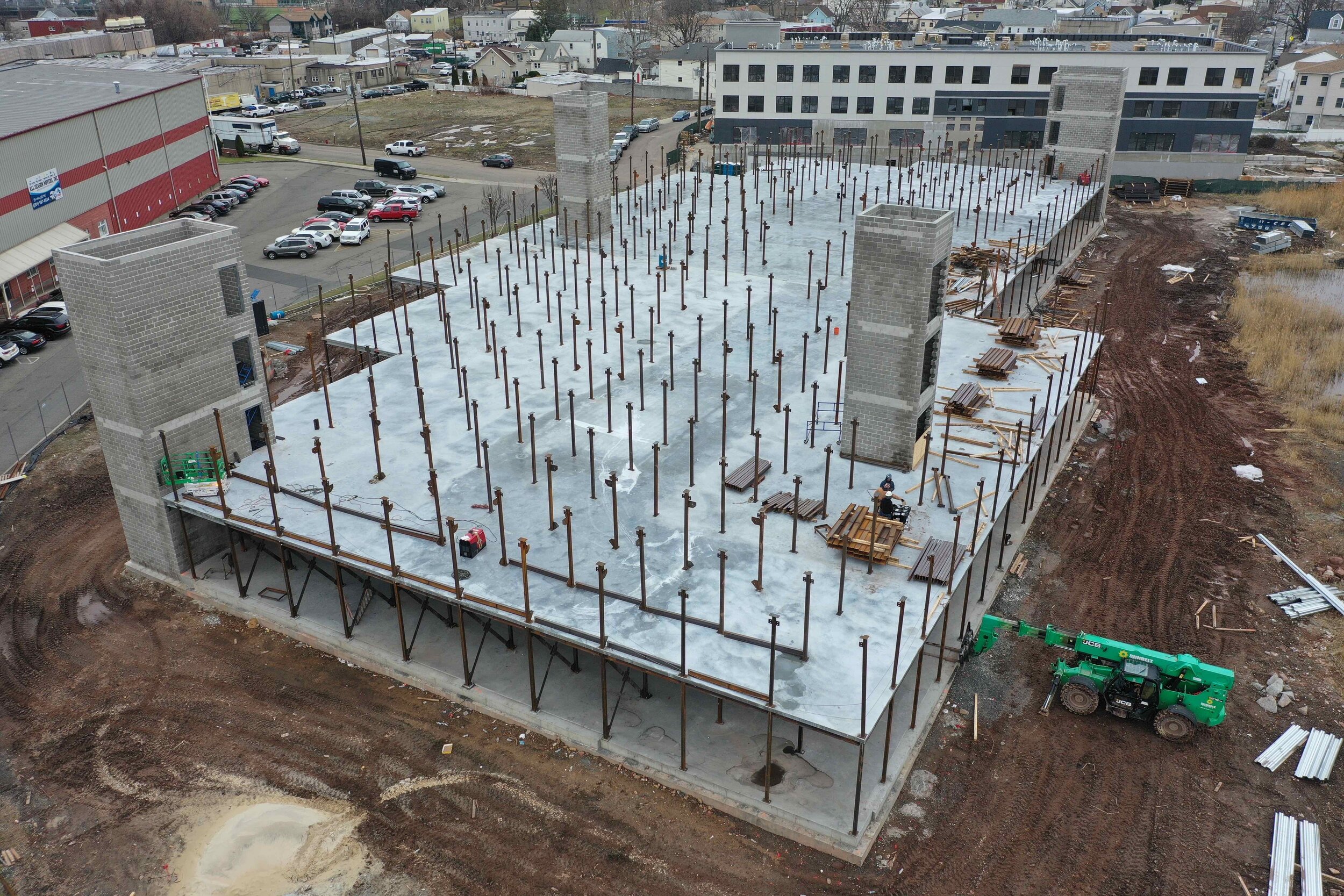
This is the longest visible construction phase and where multi-story expertise has the biggest impact on the self storage construction timeline. An experienced contractor who understands the specific demands of multi-level storage facilities can significantly compress this phase.
Vertical construction sequence:
Steel framing erection and structural connections
Floor systems installation (concrete on metal deck or precast)
Exterior framing and sheathing
Roofing installation
Exterior skin application (metal panels, EIFS, or masonry)
For a 90,000 square feet three-story building, a seasoned crew can often top out the structure in 8–12 weeks once foundations are ready. Industry data suggests an experienced team of five can erect approximately 5,000 square feet of building per week, though this excludes doors and interior hallway systems.
Interior buildout sequence:
Interior framing and corridor systems
MEP rough-in (mechanical, electrical, plumbing)
Fire sprinkler and alarm system installation
Insulation and vapor barriers
Drywall, finishing, and painting
Elevator installation and testing
Storage unit doors and hallway system installation
Final finishes and signage
Interior buildout and systems installation typically requires 12–20 weeks depending on number of floors, the complexity of climate control zones, and availability of trades involved.
Storage Building Company often pre-coordinates door, hallway, and elevator vendors so installation windows are locked in 60–90 days in advance. This reduces idle time waiting for materials or subcontractors and keeps the project on schedule.
Weather still matters during vertical construction—extreme winds can slow steel erection significantly. However, once the building is dried-in (roof and exterior complete), interior progress becomes largely weather-independent.
Phase 6: Inspections, Commissioning & Opening (1–3 Months)
The final stage of self storage construction involves interior finishes, final inspections, and preparing the facility for operations. These are the final steps before opening, ensuring the facility is ready for occupancy and compliant with all regulations.
Substantial completion is not the same as being allowed to open your facility to tenants. A common developer misconception is that finishing construction means you can immediately start leasing. The Certificate of Occupancy must be obtained first, and this process has its own timeline. Final inspections are necessary before a facility can begin leasing, and this phase typically takes about one month. Final inspections and obtaining occupancy certificates can take about 1 month after construction is completed.
Inspection sequence:
Trade-specific finals: electrical systems, mechanical, plumbing, fire protection
Building final inspection for code compliance
Site inspections: landscape installation, drainage, ADA accessibility
Fire marshal review and approval
Certificate of Occupancy issuance
If final inspections are scheduled proactively, many multi-story projects can move from substantial completion to C.O. in 3–6 weeks. Complex jurisdictions or facilities with inspection backlogs may require 8–12 weeks.
Commissioning tasks before opening:
Fire alarm and sprinkler system testing and certification
Elevator inspections by state agency or third-party inspector
Access control system programming and testing
Security camera verification and recording setup
Climate control system balancing and verification
Utility connections finalized and accounts established
Storage Building Company typically begins punch list walks 2–3 weeks before projected substantial completion. This shortens the final push by identifying and addressing issues before they delay the C.O.
Pre-opening activities to start 30–60 days before expected C.O.:
Hire and train facility staff
Set up management software and billing systems
Launch marketing campaigns for the lease up phase
Prepare signage and wayfinding
Establish vendor relationships for ongoing operations
The lease up period following your grand opening typically spans 24–36 months before the facility reaches stabilized occupancy—another reason why minimizing construction delays matters for your investment returns.
Preparing for Grand Opening
As the final construction phase begins to wind down, preparing for the grand opening of your self storage facility becomes the top priority. This stage is about more than just unlocking the doors—it’s about launching your storage facility with maximum impact and setting the tone for long-term success.
A comprehensive marketing plan should be developed well before the grand opening to generate buzz and attract your first customers. This includes digital marketing, local advertising, and community outreach to ensure your storage facility is visible to potential renters. At the same time, hiring and training staff is essential to provide excellent customer service from day one. Well-trained employees can help new tenants navigate the facility, answer questions, and create a positive first impression.
Operational readiness is another key focus during this phase. Make sure all systems—such as access control, security cameras, billing software, and customer support processes—are fully tested and functional. Clear communication with your team and stakeholders ensures everyone is aligned and ready for a smooth launch.
A successful grand opening not only drives initial occupancy but also establishes your storage facility’s reputation in the community. By investing time and resources into this phase, you lay the groundwork for a thriving self storage business.
Key Factors That Speed Up or Slow Down Your Timeline
Even with a baseline of approximately 18–22 months, several levers can shorten or extend your schedule by many weeks. Understanding these factors helps you plan realistic contingencies.
What helps accelerate your timeline:
Overlapping design and permitting phases with clear and consistent communication
Early procurement of long-lead materials (steel, elevators, roll-up doors)
Using a self-storage-focused general contractor like Storage Building Company
Clear owner decision-making without prolonged review cycles
Selecting sites in jurisdictions known for efficient permitting
Thorough pre-construction planning that identifies issues early
Building in a rural area with simpler zoning requirements
What creates delays and hurts your timeline:
Contentious rezoning hearings or community opposition
Difficult soils requiring deep foundations or extensive remediation
Major design revisions mid-stream that require re-engineering
Supply chain disruptions affecting steel, doors, or HVAC equipment
Labor shortages in your market affecting trade availability
Incomplete permit submittals requiring multiple resubmissions
Weather conditions causing extended site work delays
Concrete examples of timeline impacts:
Missing one planning commission cycle can add 30–45 days to your schedule
Redesigning a three-story stair/elevator core can add 3–6 weeks of re-engineering and re-review
Steel delivery delays due to supply chain issues can idle crews for 2–4 weeks
Discovering poor soils after construction starts may add 4–8 weeks for foundation redesign
Build a 10–15% schedule contingency into early projections. Add more buffer in regions known for harsh winters, heavy rainfall, or unpredictable permitting processes.
How Storage Building Company Manages Large Multi-Story Schedules
Storage Building Company specializes in ground-up, multi-story self storage projects rather than operating as a generic commercial contractor. This focus means every process, from initial feasibility review through final inspections, is optimized for the specific demands of building a self storage facility.
Specific timeline-management practices include detailed Gantt schedules with clearly identified critical path items. Weekly coordination meetings keep all trades involved aligned, and look-ahead planning focuses on the items most likely to cause delays: steel delivery, elevator installation windows, and fire system inspections.
The team uses standardized self storage details and proven layouts that have been refined across multiple projects. This approach shortens design duration and dramatically reduces RFIs (Requests for Information) once construction is underway—a common source of delays on projects with less experienced teams.
Key schedule management tools and practices:
Detailed critical path scheduling identifying sequential vs. concurrent activities
Weekly subcontractor coordination meetings with documented action items
60-90 day look-ahead schedules updated bi-weekly
Pre-coordination with door, hallway, and elevator vendors before construction phase begins
Early engagement with plan reviewers to understand jurisdiction-specific requirements
Storage Building Company coordinates with architects and engineers early in the process to align structural grids, unit layouts, and MEP systems. This minimizes redesign during permitting and construction—one of the most common causes of schedule overruns.
For storage investors and developers still in feasibility or early design, Storage Building Company can provide preliminary schedule modeling. This gives lenders and investment partners realistic month-by-month expectations rather than optimistic guesses that fall apart once construction begins.
Typical Timeline Summary for a 3-Story Self Storage Project
For a 75,000–100,000 square feet three-story climate-controlled self storage facility in a typical suburban market, here’s what the overall development timeline looks like:

Total calendar duration: With smart overlap and proactive management, total duration from land contract to opening often tightens to approximately 16–20 months for a well-executed self storage construction project.
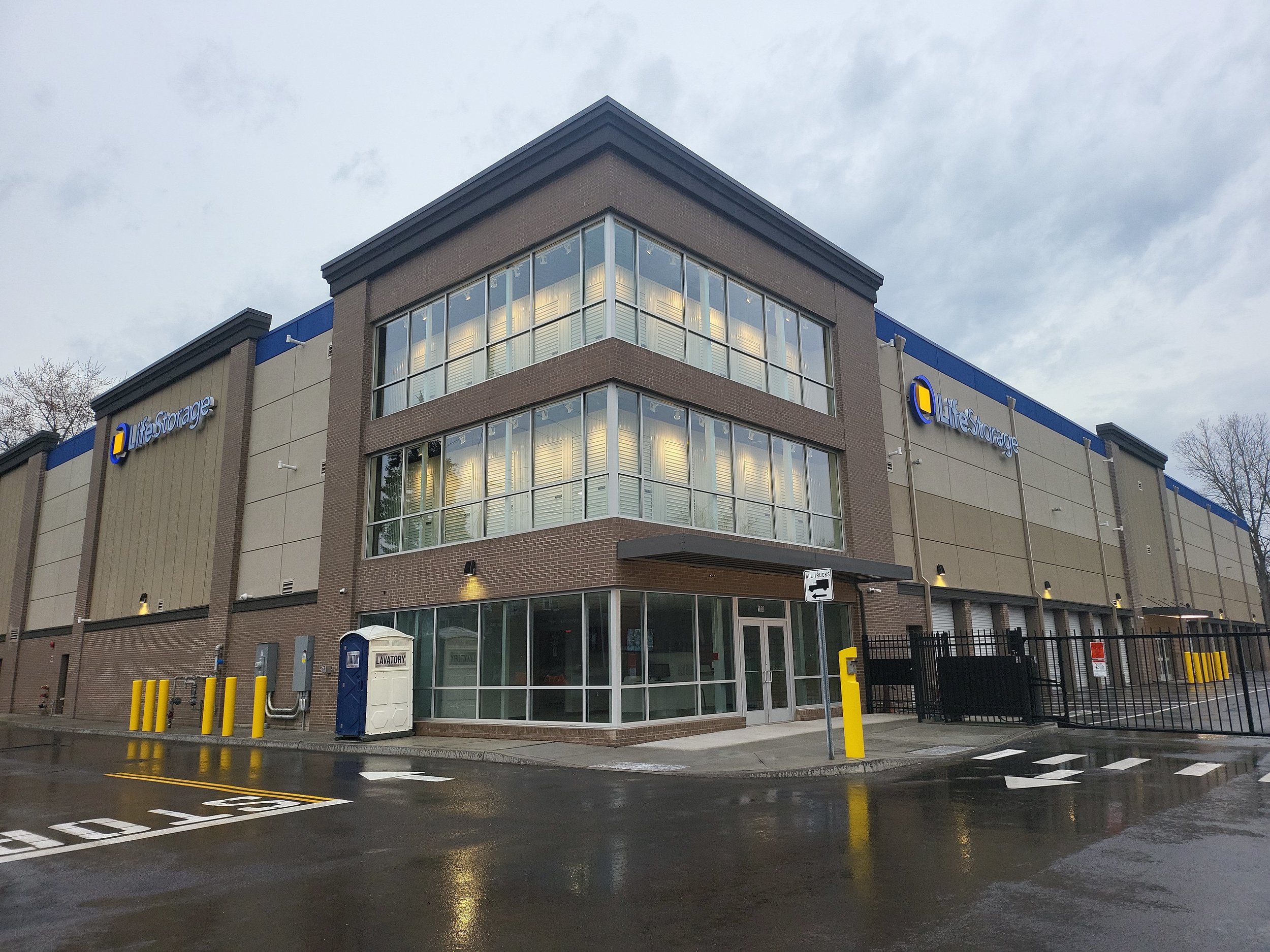
The construction costs and timeline are interconnected—rushing phases without proper scheduling often leads to rework, change orders, and ultimately longer durations than a well-planned project would require. The initial planning investment in feasibility, design coordination, and experienced contractor selection pays dividends throughout the entire development process.
When to Contact Storage Building Company About Your Timeline
The best time to engage Storage Building Company is before you finalize your land or unit mix. When the construction timeline is built into your planning from day one, you avoid the surprises that derail projects and frustrate investors.
If you’re an owner, developer, or investor planning a multi-story self storage facility, requesting a preliminary schedule review tailored to your specific market can provide the clarity you need for your business plan and lender presentations.
Storage Building Company can help you:
Review conceptual plans for timeline risks before you commit to a site
Sequence design, permitting, and construction to shorten total months
Provide schedule input for lender packages and investment partners
Identify long-lead items that need early procurement decisions
Develop realistic phase-by-phase duration estimates for your specific location
Whether you’re still evaluating sites or ready to move into design, understanding your realistic self storage construction timeline is essential for protecting your investment.
Ready to discuss the expected schedule for your multi-story self storage project? Contact Storage Building Company through the website or by phone to start the conversation. The earlier you engage an experienced contractor who specializes in multi-story storage construction, the smoother your path from concept to grand opening will be.
Conclusion on Self Storage Construction Timeline
Understanding the self storage construction timeline is essential for anyone considering a new storage facility or expanding an existing storage project. Each phase, from initial planning and site selection to final inspections and the grand opening, plays a crucial role in the overall success of your self storage development. Proper scheduling, clear communication, and working with an experienced general contractor can help you navigate challenges such as weather conditions, supply chain issues, and permit delays.
By following a well-structured process and making informed decisions at every stage, storage investors can minimize risks, control construction costs, and bring their facility to market on schedule. Whether you’re building a multi-story self storage facility in a busy urban area or a single-story storage facility in a rural location, a realistic construction timeline and proactive project management are key to achieving your business goals.
With the right team and a clear understanding of the development process, your self storage project can move smoothly from concept to grand opening—positioning your facility for long-term success in a competitive market.